
The stronger the Europea project grows, so will the Nordic project
May 22, 2026
The Nordic concept wouldn't be what it is today if the people of the North hadn't defined themselves through their relationship with the rest of Europe.
I was thinking the other day about the idea that none of us knows who we are on our own. We need others to find out.
If you lived completely alone on a deserted island, like Tom Hanks in the movie with his volleyball Wilson, you wouldn't be able to know if you are a friendly or unfriendly person, smart or unintelligent, good or bad. You can sense things about yourself, of course, but your traits don't have any real meaning unless they are compared to someone else.
We figure ourselves out through our interactions. We are a reflection of what others show us about ourselves and what we learn by measuring ourselves against them.
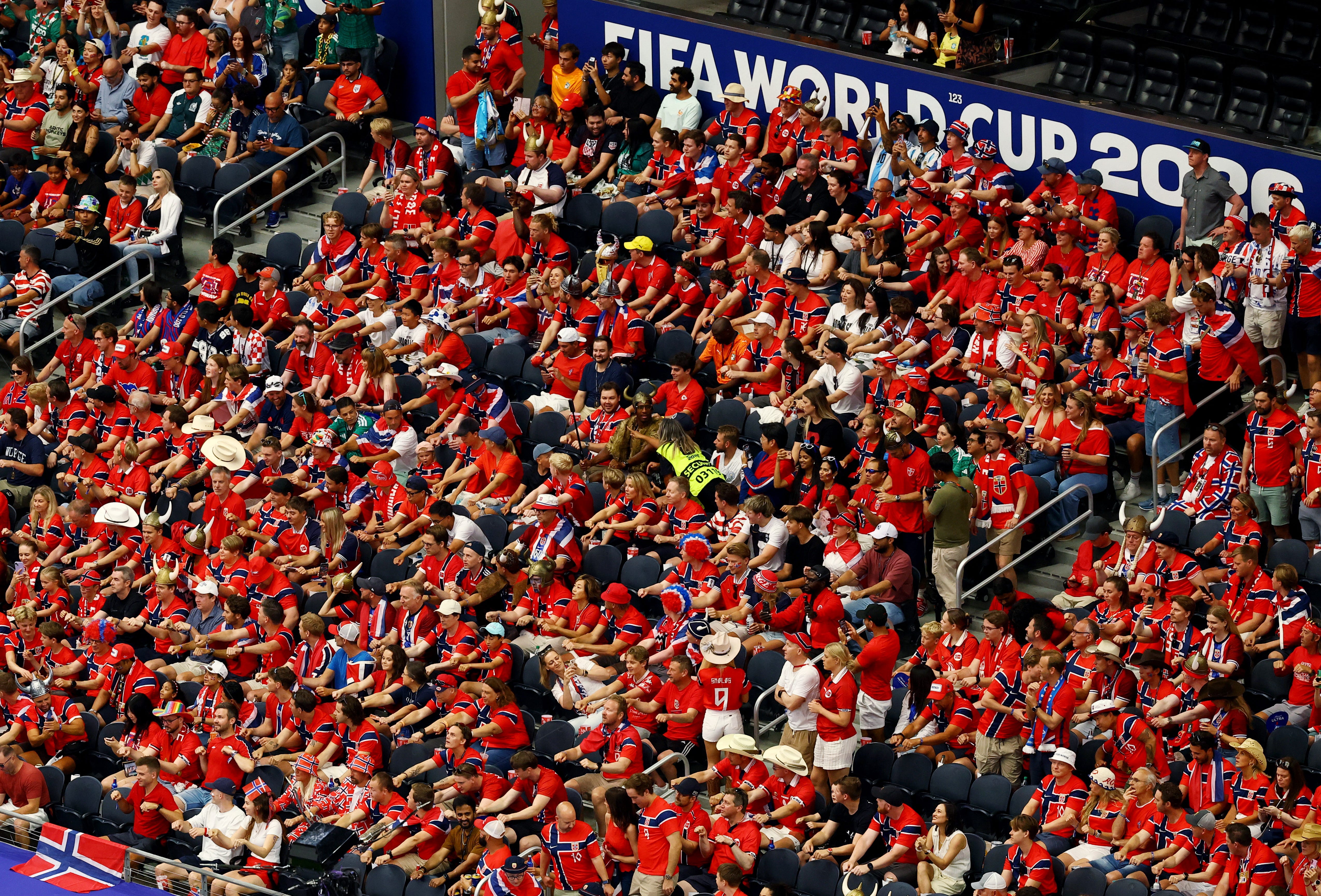
The funny thing is that what happens to us on an individual level works exactly the same way on a large scale, with nationalities and national identities. The other day, watching the May 17th celebrations—Norway's National Day—I started thinking about how unique their case is. Norway is Norway, largely thanks to Sweden and Denmark, but not because of inheritance or a loving legacy, but out of pure reaction. Norwegian identity was born from a deep rejection of being dominated by Danish elites, reclaiming their own dialect against the language of their rulers. They didn't want to be Swedish either during the century they spent under their control until 1905. Basically, they defined themselves by saying: "we are not them."
This mirror game is repeated across the whole region. Denmark and Sweden, for instance, hold the world record for the neighbors that have fought each other the most times in war. The funniest part is that they are practically tied in victories, which makes the grudge perfectly balanced. Today they no longer fire cannons at each other, but a Swede still defines themselves, to a great extent, by what shocks them about a Dane, thinking something like: "look at them, they're all crazy and drink beer at 10 AM." Meanwhile, the Dane looks across the strait and thinks Swedes are uptight, boring, and obsessed with following the rules. They need each other to know what they don't want to be.
If we look at Iceland and Finland, the pattern is identical. Iceland is Iceland because it spent more than five centuries under Danish rule, constantly telling itself that they were not Danish and protecting their language and Viking sagas tooth and nail. For their part, the Finns were part of the Kingdom of Sweden for about 600 years. When they were annexed by Russia in 1809 after a tragic war they didn't choose, the Finns didn't become Russian, nor did they stay Swedish. In fact, a phrase from that time became famous and perfectly captures this feeling: "Swedes we are no longer, Russians we cannot be, so we must be Finns." They found their identity in the empty space left between two empires.
In the end, you realize that just as the national identities of these countries were shaped by friction with their neighbors, the same thing has happened to the very concept of "Nordicness."
This major shared identity among the five northern countries seems to have grown not as an isolated project, but as a direct reaction to the idea of Europe and that collective continental identity that began to take shape in the 1950s.
The perfect example happened in 1992 with the Maastricht Treaty, the pact that founded the modern European Union and introduced "European citizenship" for the first time. This citizenship was merely additive—a package of individual rights that didn't take away one's original nationality. However, Denmark voted a resounding "NEI" in its referendum, terrified by the idea, and dropted out of it. Norway has voted "NEI" twice against the European community.
I have no proof, but I also have no doubt, that as the European project and European identity have gained strength and shaped themselves, it is as if Nordic unity and the Nordic brand have done exactly the same. The Nordic concept is an idea or identity presented to the world, but I think it couldn't be imagined or be what it is today if the people of the North hadn't met and defined themselves through their relationship with the rest of Europe and Europeans.
Ultimately, what I mean is that as long as the primary goal of the European Union is ever-closer cooperation among European nations and the idea of European identity and perception grows stronger, so will the Nordic identity and the Nordic project.
More posts about the topic