
What looks like a new American system is really an attempt to keep the old one alive
Jul 9, 2026
What we are witnessing is not the construction of a new order. It is the scaffolding erected to stop the old one from collapsing
Most people try understand the present through big events: wars, financial crises, elections. But that view is incomplete
Before looking at events, you need to understand the system that creates them
A system is not a government, a law or a leader. It is a set of incentives that makes millions of people act in a certain way without anyone having to coordinate them. When a system works well it does not need to be forced, it runs by itself
That is the difference between a healthy system and an exhausted one. As long as the incentives work the system sustains itself. It does not need constant tariffs, sanctions or political pressure. Those appear only when the machine stops running on its own
The US built exactly that kind of system in the 1970s. In its simplest form, the world needed oil, oil was traded mainly in dollars, countries accumulated dollars to buy energy and those dollars eventually returned to America through Wall Street, financial markets and public debt. The system reinforced itself
That continuous flow of global capital strengthened American companies, financed military power and helped preserve the international order that kept the dollar at its center. The wheel kept turning because every part supported the next
But every successful system eventually changes the conditions that made it successful. Production moved abroad, industrial competitors emerged, wealth concentrated in fewer companies and more importantly, countries started searching for alternatives to both oil and the dollar. The system slowly weakened the foundation it depended on
A system does not begin to fail when it loses power. It begins to fail when it can no longer generate the incentives that once kept it alive. At that point, politics has to replace what the system used to do
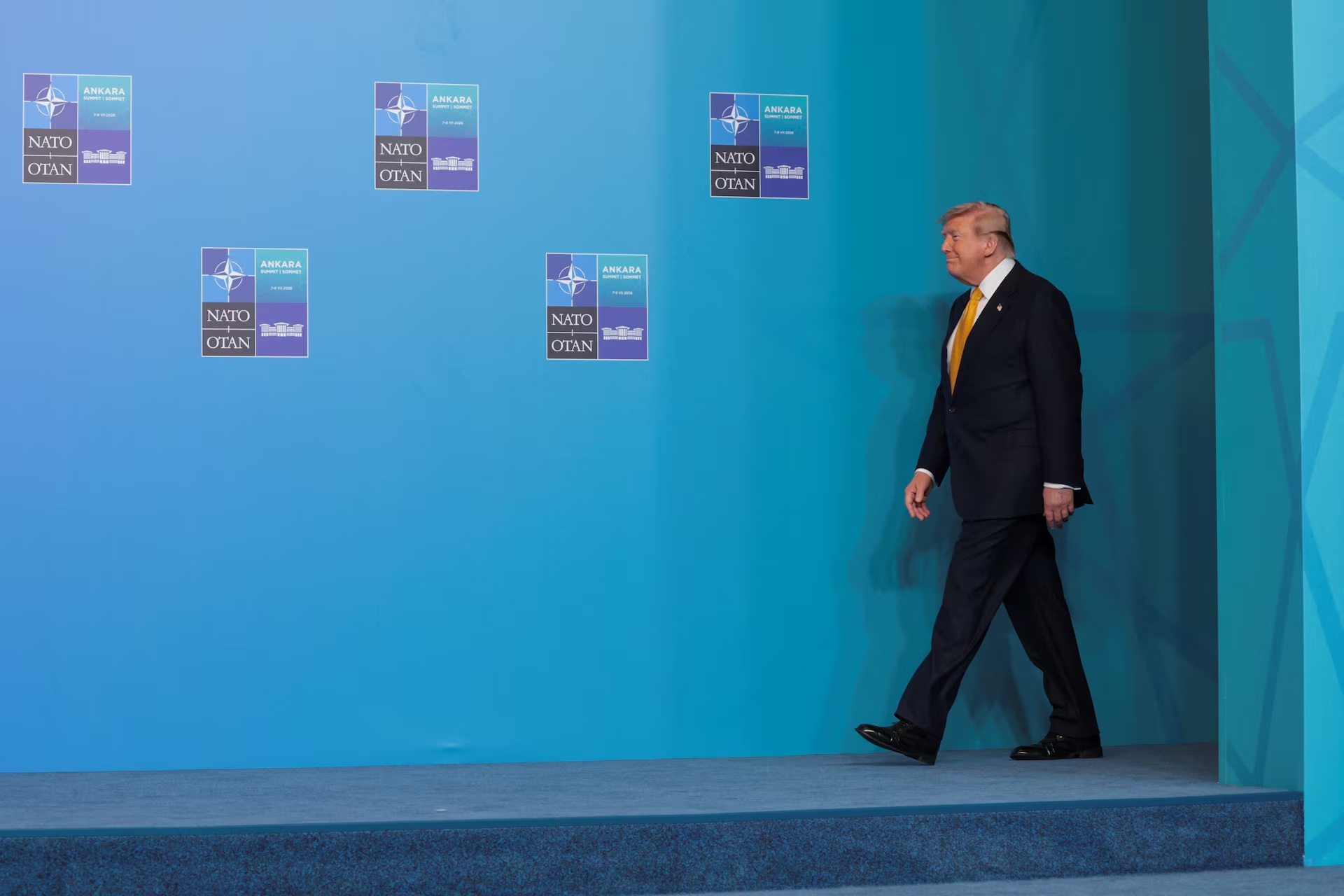
Seen from this perspective, today's American policies look clearer. Tariffs are no longer just trade policy, they are an attempt to rebuild industry. Restrictions on chips are no longer just about security but an effort to preserve technological leadership. Pressure on NATO allies is no longer just about defence spending but a way to reduce the cost of maintaining the existing order. Military intervention in petrostates is not about regime change but about keeping their oil traded in dollars
Sanctions, bombs, threats, investment controls and energy policy are not separate stories. They are emergency responses to the same structural problem: the system is struggling to sustain itself
That is why I do not think we are watching the birth of a new American system. We are watching the old one being reinforced. It looks like a new strategy, but in reality is an effort to keep the aging one alive and standing
Behind the image of strength the US tries to project lies a system that increasingly depends on intervention to achieve what incentives once achieved by themselves
What we are witnessing is not the construction of a new order. It is the scaffolding erected to stop the old one from collapsing
More posts about the topic