
What Viking oars reveal about a thousand years of history behind the Russia-Ukraine war
Jul 13, 2026
Through the lenses of history, the Ukrainian war can also be seen as a tragic separation of people who once belonged to the same historical family
What if, looking back at a thousand years of history, the current war between Russia and Ukraine is actually a Viking civil war?
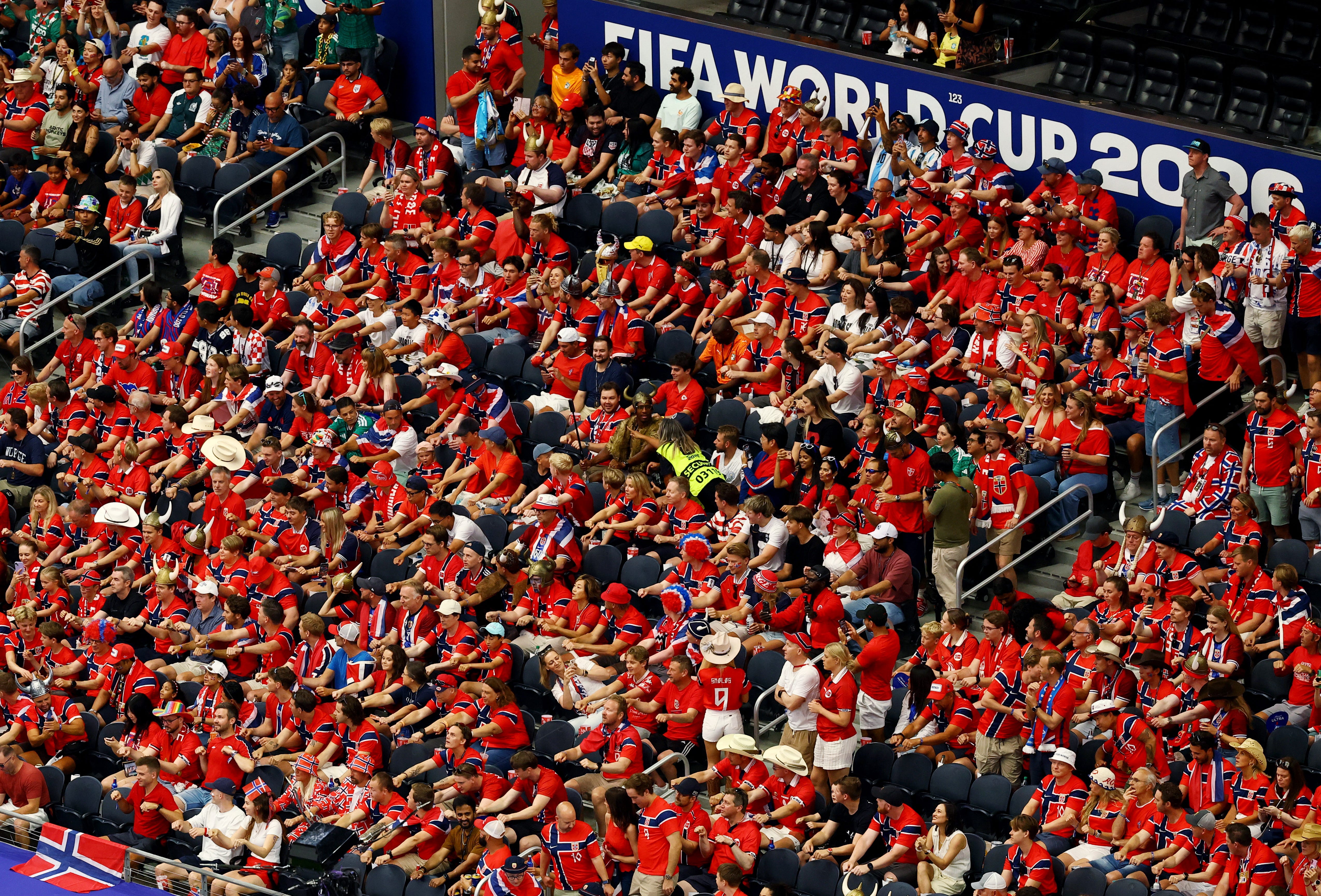
The world has fallen completely in love with Norway’s iconic Viking image: the ships, the oars, the chants and the ancient symbols born over a thousand years ago
But that same history connects us directly to a part of Europe we rarely discuss openly today
When we think of Vikings, we usually think of Norway, Sweden or Denmark. But Vikings also sailed east, following the great rivers of Eastern Europe, which served as the main trade routes of their time. Many of them chose never to return. They stayed, built permanent communities, and gradually became known to history as the Rus people
These Scandinavian settlers created Kievan Rus, the first major state in that region. From that same historical root came the later Russian state, the Russian Empire and, finally, the three modern nations of Russia, Ukraine and Belarus
Of course, these peoples were never identical and their relationships were often deeply complicated. But for centuries they shared a deep connection through shared culture, politics, religion and a common history
We also often forget that Russia was not always seen as separate from Europe. For centuries, it was part of the broader European political world: involved in wars, alliances, royal marriages and power struggles alongside powerful countries like France, Austria and Prussia. The idea of Russia as permanently outside Europe is a relatively recent concept
This is exactly why reviving the ancient Viking connection matters so much. If we recognize that Russians, Ukrainians and Belarusians share roots in the same historical world, then today’s conflict takes on a completely different dimension
The Nordic countries, which proudly celebrate their Viking heritage, are among the strongest supporters of Ukraine today. Of course this makes sense through modern political lenses, security and regional alliances
But viewed through history, it can also be seen as a tragic separation of people who once belonged to the same historical family. A sort of Viking civil war
Thanks to Team Norway millions celebrated Viking symbols without realizing that those same symbols connect the lands that are now fighting each other
History has a strange power. It can turn neighbors into strangers, allies into rivals and people with shared roots into enemies
Today Russia is viewed by much of the West as an opponent. But history shows that relationships between countries are never fixed. Russia was once a partner, a rival and an ordinary part of the European balance of power. The hostility we see today is not an eternal rule. It is only one chapter in a much longer story
Which takes me to my main idea. Enemies do not have to remain enemies forever. And perhaps the first step toward imagining a different future is remembering some of the basics
Like the idea that before we became enemies, we were part of the same history
More posts about the topic