
Megafires signal the end of the world as we knew it
Jul 27, 2026
We must consciously transform our economic system and our relationship with nature, or reality will force us to do it suddenly and painfully
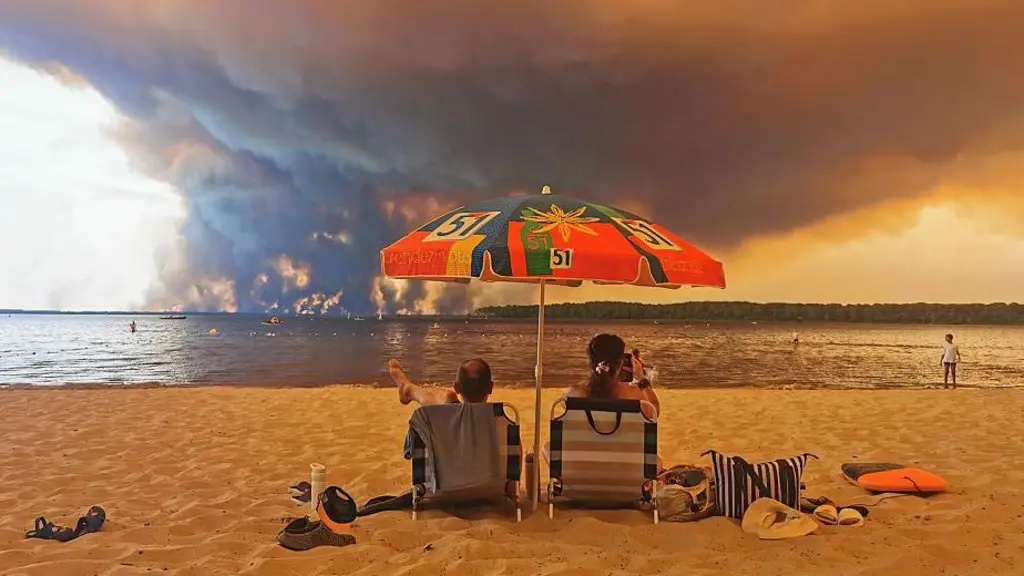
The megafires we see in Europe, Canada and other regions aren't simply another climate disaster. They represent an apocalypse in two ways: real destruction and a revelation about our relationship with the planet
Literally, they are massive infernos covering thousands of hectares beyond our control: evacuated towns, cities surrounded by fire and smoke, landscapes turned unrecognizable. But metaphorically the most important thing is what they reveal
For thousands of years, human history was about surviving and controlling nature. First we protected ourselves from it. Then we changed it. We cut forests, diverted rivers and transformed resources into goods
Modern times took this process to an unprecedented level. We built an economic and technological system that multiplied our population, created giant cities and reduced our dependence on natural cycles
That system brought prosperity and extraordinary progress. But by changing everything, we also altered the conditions of the planet that supported our civilization. Nature stopped being a predictable background and became a dynamic system reacting to our actions
Today we are experiencing a clash of systems. For decades, our model seemed to win: we mastered landscapes, controlled rivers and shaped the land to fit our needs. Now the opposite is happening. A damaged nature forcing us to adapt
Megafires are the clearest sign of this shift. They are not normal wildfires. They create their own weather, change winds and grow beyond our ability to stop them. Technology is no longer enough. Often, all we can do is evacuate, retreat and pray
They remind us of something modern life forgot: there are limits. Some problems cannot be solved with more technology. We must change how we organize our land and society
This clash is not only about climate. It is economic, political and cultural too. Our model depends on endless growth, expansion and short-term decisions. It assumes the world will remain stable. But nature follows cycles and physical limits that do not care about elections or markets
For centuries, we forced nature to adapt to our system. Now, our system must adapt to a changed nature
Facing this scenario there are two forms of resistance to deep change: those who deny how serious the problem is and defend infinite growth, and those who offer tech fixes without questioning the model of constant growth. Both try to preserve the old system with as few changes as possible
The reality, however, is harsher. Our economic and social model is hitting a wall. You cannot pursue unlimited growth on a planet with physical limits
The time has come to choose: either we consciously transform our system (our economy, consumption habits, land use and relationship with nature) or reality will force us to do it more suddenly and painfully
That is what makes these events an apocalypse. Not because they announce the end of the world, but because they announce the end of a specific world: the world as we knew it
More posts about the topic