
Jens, you don't need a tax lottery to know what is going on
Jan 24, 2026
The real crisis isn't just the number of people not working. It is the collapse of the social contract.
The Norwegian government is officially running a tax experiment, and I was not selected.
The plan is to give 100,000 young people a 27,500 NOK tax break every year for the next five years. The goal is to see if this extra cash makes them work more, return to the workforce, or simply stop them from dropping out of it.
To understand why this is happening, you have to look at the numbers Norway is facing.
Right now, there are roughly 120,000 young Norwegians who are neither working nor studying. They have essentially become invisible to the system. While general unemployment looks low, youth unemployment has spiked to 15.4% as of late 2025.
This is bad because in a country as small as Norway, every hand counts. As a nation built on a high-productivity model, Norway needs full capacity just to keep up the economy and collect enough taxes to fund the state. And so if one in six young people stays inactive, the pension system and the hospitals its citizens expect for free, will simply become unviable.
Jens is pulling the only lever he has as Minister of Finance: taxes. He is trying to widen the gap between staying home and going to work. But this focus on tax shifts misses a fundamental truth about why the system is failing.
The basic deal of society is built on a simple exchange called specialisation. Think of it as a trade: instead of building your own house, growing your own food, and making your own clothes, you choose to do just one thing well. You spend all your time and energy becoming an expert in a specific job. You then "sell" that specialised energy to build someone else’s dream.
In return, you get a means of exchange—money. This money is supposed to be the bridge that connects your hard work to your survival. It’s meant to be a fair trade that allows you to buy the house you didn't build and the food you didn't grow. The idea is that if you work extra hard, you’ll earn enough to eventually have a life you actually own. A good life, basically.
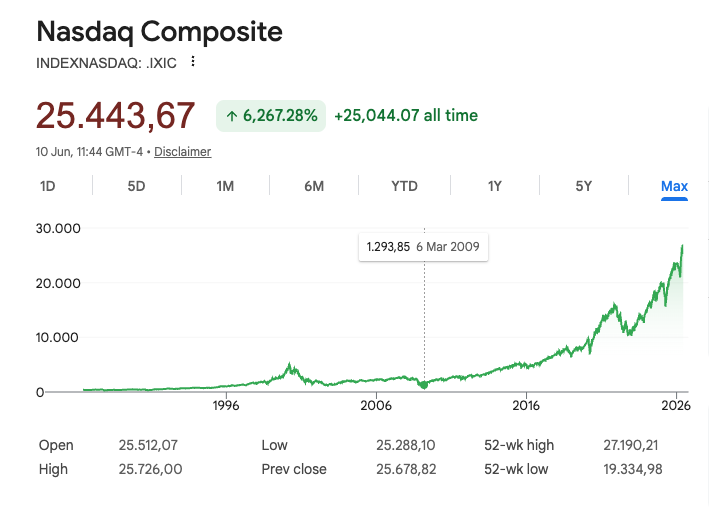
The problem is that this bridge is collapsing because the exchange is no longer fair. Today, you can specialize, work hard, and even put in extra hours, but the money you get back doesn't even guarantee the basics. Money loses its value every day, while the things we actually need—like a home—cost more and more. When you trade your limited life force for a currency that buys less every year, "working hard" becomes objectively irrational.
So if spending all your energy on one job doesn't secure your future, it makes more sense to stop specialising, work less and instead start doing more things for yourself.
It is not a lack of ambition, Jens; it is a logical and rational response to a bad deal.
The real crisis isn't just the number of people not working. It is the collapse of the social contract.
When a full week of hard work no longer buys a secure future, the problem isn't the tax rate. The problem is that the reward for participating in society is no longer worth the cost.
More posts about the topic
.png)