.png)

We've built an extraordinarily complex financial system on an extraordinarily dangerous assumption
Jul 11, 2026
The entire architecture rests on one remarkably simple condition: that assets keep their value
There’s an idea I can’t stop thinking about. The more I analyse it, the more extraordinary and fragile it seems
We have built one of the most complex financial systems in history: banks, stock markets, investment funds, mortgages, government debt, central banks, global markets…a colossal machine that moves tens of trillions every day and underpins the world economy
Yet the entire architecture rests on one remarkably simple condition: that assets keep their value
To understand this, forget about money. The true foundation of the financial system is not money, it is assets
An asset is any good or ownership right with economic value: a house, a company, a factory, a stock, a patent or anything the market can price. The great innovation of modern finance is that assets are not just things you own. They are tools to borrow and acquire more
If you own an asset and I have cash, I can lend you money because your asset serves as collateral. If you fail to repay, I can seize it and recover my funds. This lets you borrow without selling your wealth and buy new assets
The cycle repeats: new assets serve as collateral for more credit, that credit buys more assets and many of those contracts become financial assets. Layer upon layer is built. This is how the system grows into a vast architecture of promises and contracts backed by real assets
But here lies the paradox. The structure looks massive, sophisticated and rock-solid but its stability depends on one condition: that the underlying assets maintain their value
If that value drops, the first layer of contracts starts to break. Lenders demand more collateral, renegotiate terms or take losses. In a single case, it barely matters. But when it happens across millions of deals, everything built on top begins to crack, like a skyscraper whose foundations give way
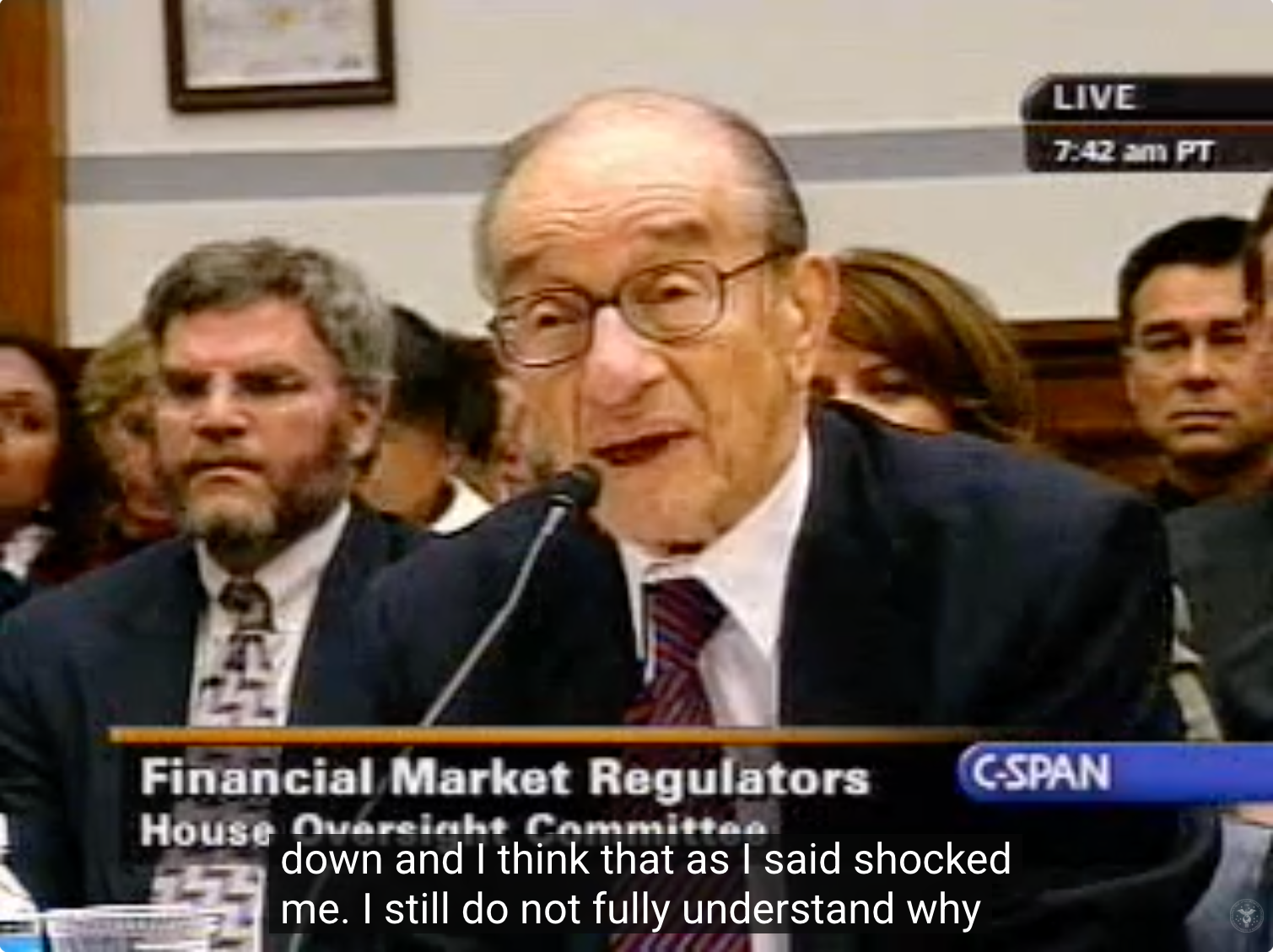
This is exactly what the 2008 crisis revealed. It began with an apparently ordinary asset: American homes. Millions of mortgages were issued using those houses as collateral. Those mortgages were packaged into new financial assets. On top of them, more contracts were built. A gigantic financial structure was erected, with house prices as its foundation
When home prices fell across the board, it wasn’t just the original mortgages that failed. The entire edifice built above them started collapsing. Investment banks went bankrupt, markets froze and the global financial system came to the brink of meltdown
This may be the most striking feature of today’s financialised economy. In the past, a drop in asset prices might ruin individual owners or damage one sector. Today, assets are the backbone of millions of interconnected financial contracts. The more this network expands, the easier it becomes for a localized problem to spread through the entire system like wildfire
And that’s the idea I can’t get out of my head. How did we manage to build such an enormous and complex system on top of such a simple, fragile and dangerous condition?
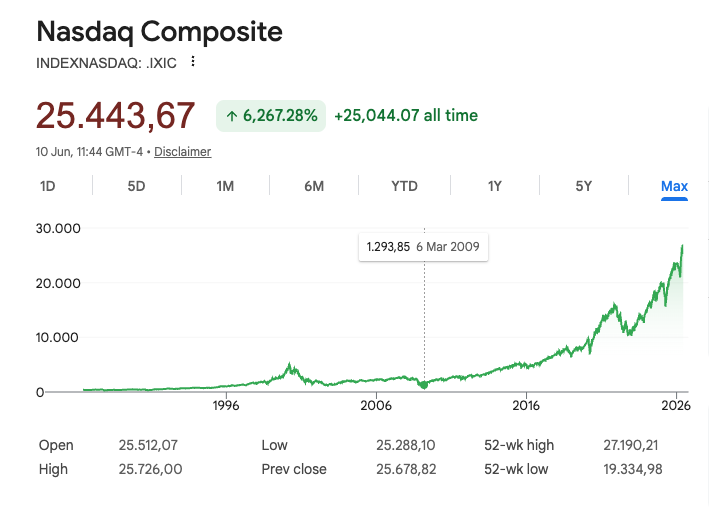
That asset prices must never fall
More posts about the topic