
Greenland is in effect a 21st century colony
Oct 9, 2025
It shows that even in the 21st century, it is hard to fight against the Empire.
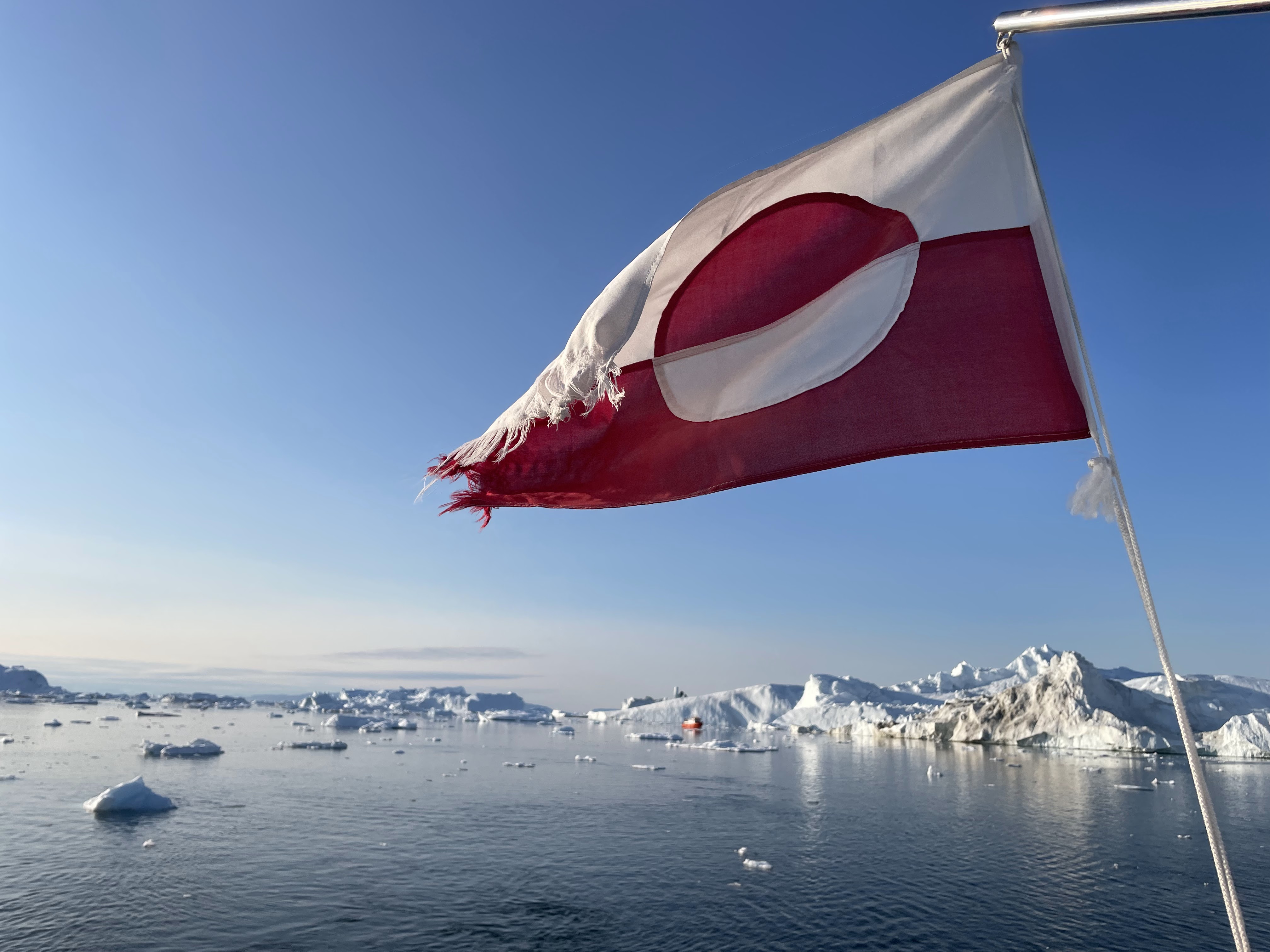
Why Greenland, despite decades of effort to become an independent nation, has still not been able to achieve it and in practice remains a 21st century colony?
The reason is simple. Over the years, Greenland has gained control of many things: its own parliament, domestic policies, education, healthcare, and ownership of its natural resources. But it has not gained control over the only thing that truly defines real independence: economic sovereignty.
Denmark still controls the main pillars of Greenland’s economy: the currency, monetary policy, exchange rates, trade agreements, and balance of payments. Without control of its economy, political autonomy remains impossible.
The heart of this issue is a structural conflict of interest. Greenland sits on a craton rich in minerals, with known deposits valued at around $1 trillion USD and total potential resources exceeding $5tn. If Greenland began to rapidly export these resources, it would trigger a severe crisis for Denmark's economic policy. To purchase Greenland's resources, foreign buyers would need to acquire vast sums of DKK. This sudden, massive demand would put immense upward pressure on the krone's value, causing it to appreciate sharply. This directly threatens Denmark’s currency peg—a policy where the central bank keeps the krone's value fixed within a narrow band against the € to ensure economic stability. To defend this peg, Denmark's central bank would be forced into a massive intervention: selling kroner and buying euros on a scale that could become unsustainable.
This is further complicated by Denmark's balance of payments—the record of its economic transactions with the rest of the world. Denmark typically runs a trade surplus (exporting more than it imports), which it balances by investing capital abroad. A massive influx of cash from Greenland's resource sales would shatter this delicate balance, forcing Denmark to either drastically increase its foreign investments or cut its own exports to compensate—both scenarios would be highly damaging to its own economy.
Because Greenland's full economic development would directly threaten Denmark's own stability, a system of control is maintained through several mechanisms. Control over foreign policy allows Denmark to limit Greenland's international trade agreements. The strong DKK inherently raises the cost of operating in Greenland, making most business projects economically unviable from the start. Finally, joint investment screening policies give Denmark a direct say in who can invest.
This creates a vicious cycle: large-scale development is structurally impeded, preventing Greenland from building an independent economic base. This, in turn, reinforces its reliance on the annual block grant from Denmark to fund basic public services, effectively pushing Greenland to run a domestic economy of subsistence.
In other words, an economic trap in disguise that shows that even in the 21st century, it is hard to fight against the Empire.
More posts about the topic
.png)