
Björn ABBA explains how your country can be like Sweden
Sep 4, 2025
I call this formula Mamma Mia! The Party. The recipe that creates the boom is the same one that guarantees the subsequent crash.
Do you want your country to become a unicorn & venture hub like Sweden?
Björn ABBA explains us the three-step formula:
- Ensure that massive domestic pools of capital, like pension and insurance funds, are free to invest in high-risk domestic assets. Sweden achieved this by negotiating a special exemption from the EU's strict Solvency II Directive. This carve-out granted its pension funds significant freedom, removing limits on how much they could invest in local assets like PE/VC. This unlocked a vast and unlimited source of "risk capital" and ensured it stayed within the country.
- The central bank must flood the economy with liquidity. The Riksbank did this aggressively through QE, creating money to buy bonds. Between 2015 and 2021 it injected nearly 1 trillion SEK into the market. This policy intentionally crushed bond yields, forcing investors into a desperate search for yield. With safe assets offering no returns, money managers, banks, and funds had no choice but to pour capital into riskier ventures, like startups and funds.
- The government must practice strict fiscal discipline, consistently taking in more tax revenue than it spends. This is crucial because it ensures the liquidity from QE doesn't get absorbed by new government debt. By running a surplus and paying down existing debt, the government guarantees that the newly created money flows almost exclusively into private markets and investor portfolios, rather than being used for social spending or public services. This amplifies the effect of the first two pillars.
Follow this steps and you will be Sweden.
But before you go ahead, you must know what else you have signed up for:
- A double squeeze on citizens. QE is often called a hidden tax because it erodes the purchasing power of savings. Simultaneously, a government surplus means citizens are being taxed more than they receive in public services. The result is a double squeeze: people's savings are devalued while their tax money is used to support financial markets, not their own welfare.
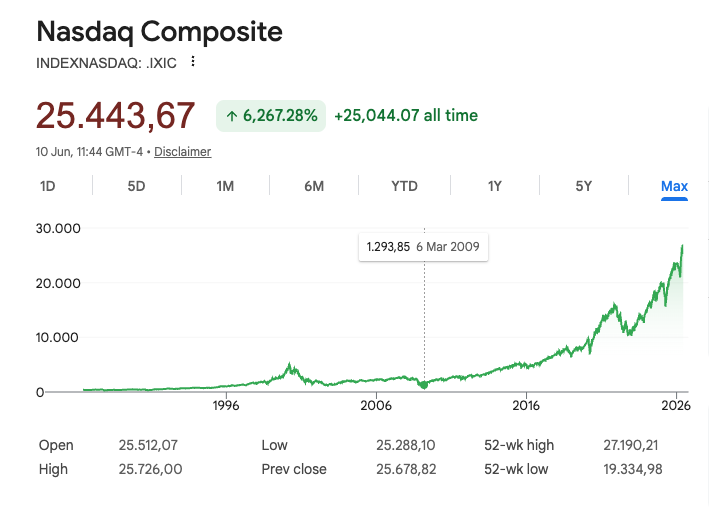
- Asset bubbles and soaring inequality. The flood of cheap money inevitably inflates asset prices. Sweden witnessed a historic real estate bubble and more recently a tech bubble. This creates a massive wealth divide: asset owners became rich, while non asset owners are left behind, facing a crushing cost of living and increasing relative poverty.
- A boom-bust cycle. Easy money creates an artificial economic boom. Investments, consumption, and asset prices rise spectacularly. However, the moment the central bank is forced to stop printing money and raise interest rates, the cycle violently reverses. This leads to a painful bust: a drop in investment, falling asset prices, a rise in unemployment, and a severe crisis for households, companies, and financial institutions left holding overvalued and toxic portfolios.
I call this formula Mamma Mia! The Party.
The recipe that creates the boom is the same one that guarantees the subsequent crash.
More posts about the topic
.png)