
Ursula's main mistake is that she is doing the 'right thing'
Mar 12, 2026
This obsession with "correctness" is a historical trap, seen most famously in the 16th-century showdown between Mary Stuart and Elizabeth I
Ursula's greatest mistake is her obstinacy in doing “the right thing”
The problem is that in high-level politics, "right" is not a universal truth. It is simply the consensus of an era already fading away. When she speaks of the world order, she does not innovate, she presses the post-war instruction manual against our faces. This "correctness" is a bureaucratic refuge: the security of one who believes that if they follow 20th-century rules with enough force, 21st-century chaos will apologize and go home. It is a paralysis disguised as virtue that prevents us from seeing that the world no longer plays by any rulebook
If we analyze her flagship proposals, we find no vision of the future, but rather a "Greatest Hits" of obsolete theory. When she sells the Global Gateway Plan and those "win-win" agreements, we hear the echo of Adam Smith whispering from 1776: the old idea that trade softens manners and that nations united by banknotes will stop wanting to kill each other. It is textbook logic that, in 2026, sounds like dangerous naivety. She defends the UN as a sacred text, ignoring that the institution is the "Who we are" of some gentlemen who won a war eighty years ago and today do not know how to manage a world that no longer fears them. Ursula recites the bureaucrat's ABCs: human rights, free markets, and collective security, as if the mantra were enough for the power challengers to decide to become liberal again
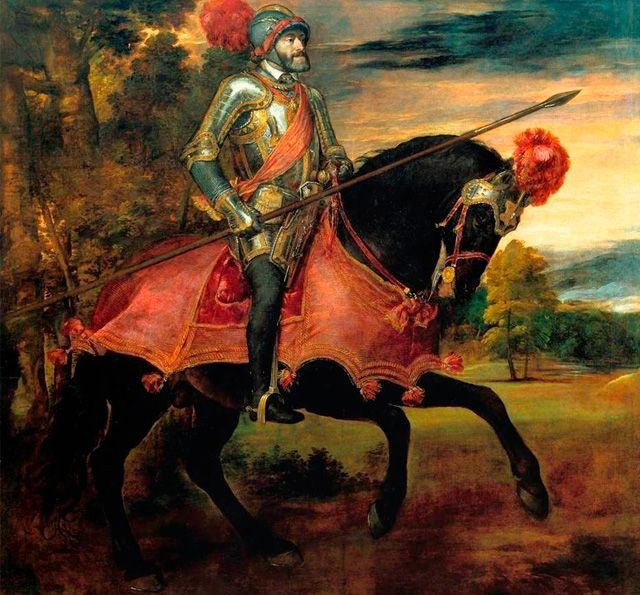
This obsession with "correctness" is a historical trap, seen most famously in the 16th-century showdown between Mary Stuart and Elizabeth I. Mary was the embodiment of doing the right thing according to the manual of her time. She behaved as a Catholic queen should, clinging to her lineage and her dogmas while the world turned toward Protestantism. She was "correct," predictable and ultimately, a victim of her own rigidity. Her inability to read the new times cost her the throne and in the end, her head
On the opposite side, Elizabeth I understood that survival demanded being profoundly "incorrect." She broke all the rules: she rejected marriage so as not to surrender England's independence, created a tailor-made church to avoid religious wars, and knew how to be ambiguous, shrewd, and ruthless. While Mary did what was expected of her, Elizabeth did what was necessary for her kingdom to prosper. One was a martyr to tradition, the other the architect of a Golden Age
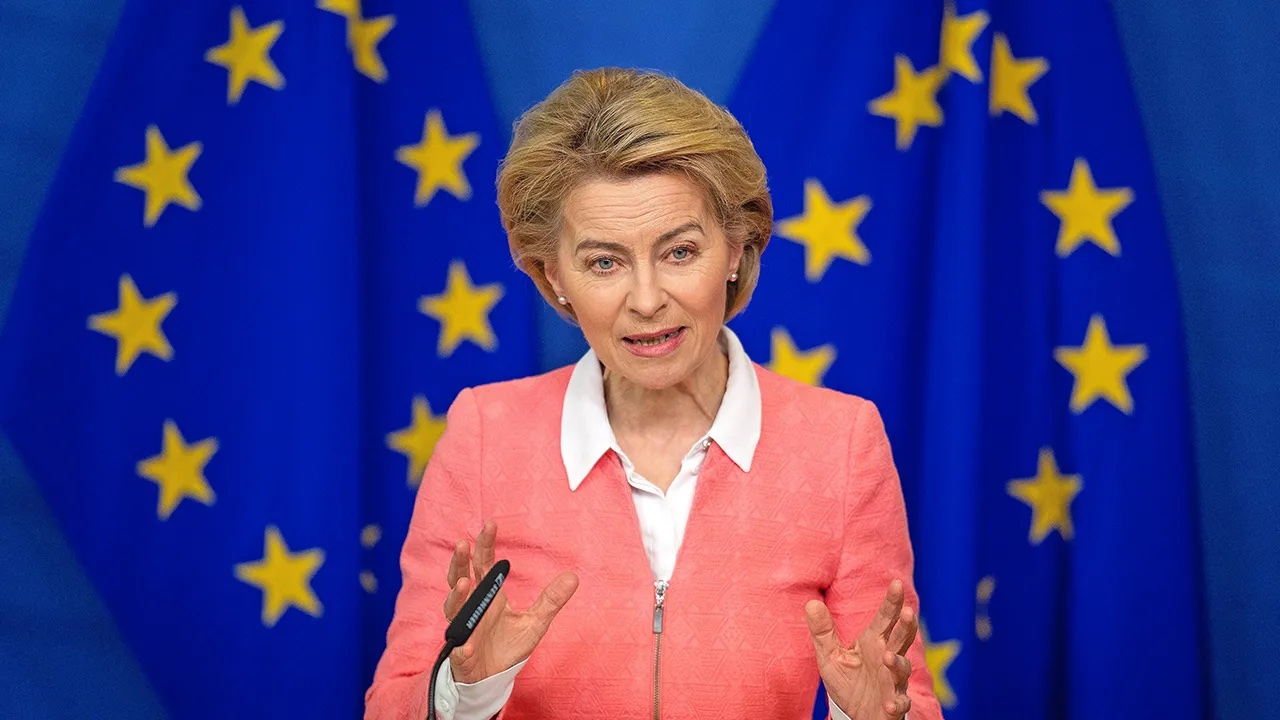
The drama of the EU is that Ursula seems to have chosen the path of Mary Stuart. She clings to the old manual with a mystical loyalty, convinced she is the moral guarantor of a crumbling order. But in the mud of today's geopolitics, an obsession with “the right thing” is the wrong answer. Applying old solutions with more force is not leadership, it is reckless nostalgia.
If Europe does not soon find its "Elizabeth moment" we risk ending up like the Queen of Scots: with irreproachable moral superiority, but with the kingdom lost and our heads in the basket of history
More posts about the topic


.PNG)