
What Brexit can teach us about how to manage a defiant Sweden
May 10, 2026
The way Brussels manages this imbalance will determine whether the Union remains a project or if, instead, it once again pushes a stable partner toward the exit
Watching Nigel Farage sweep the UK local elections on the same day Sweden stood up against the EU on energy felt like a premonition
It’s a warning sign: blind adherence to the rules can end up destroying the very union those rules are meant to protect
At its core, the EU is an economic and political framework designed for a self-regulating single market. Its institutions exist to safeguard the freedom of movement at any cost. This logic is flawless on paper and works fine during stable times. The trouble starts when imbalances force a level of self-regulation that no single state is willing to pay for alone. The reality is that while every member defends free-market theory, no one wants to be the victim of its practical application
This is where the European project risks breaking apart: where the rules from Brussels clash with national reality
The UK’s case is a reminder of what happens when this imbalance is ignored. Following the massive eastward expansion and the Euro crisis, the European market adjusted the only way it could: by moving millions of people toward places with jobs and fewer barriers. The UK, already grappling with its own austerity measures and internal crises, became the recipient of unprecedented social pressure. When they asked for flexibility, the EU responded with absolute rigidity, prioritizing rule-following over the stability of one of its oldest members. That inability to recognize an extraordinary imbalance led to the break we now know as Brexit
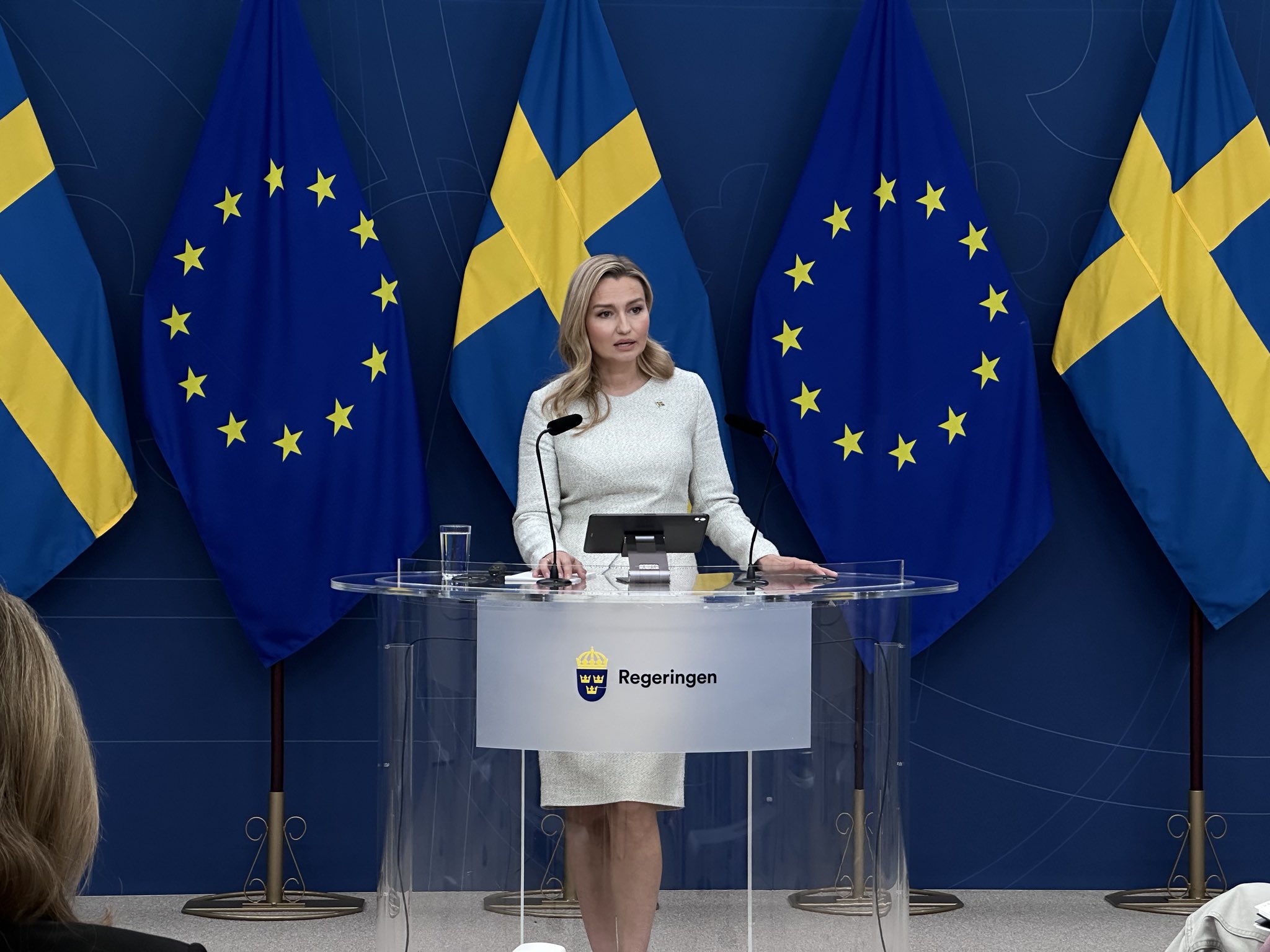
Today, Sweden presents an exact parallel, but in the energy sector. Sweden has been a model partner that, thanks to its geography and decades of investment in hydropower, enjoys abundant and competitive electricity. However, faced with energy deficits across the rest of the continent (driven by bad political decisions and a poorly managed transition) the EU is once again invoking self-regulation. Brussels is demanding "solidarity" from Sweden in the form of infrastructure to export its energy. In practice this means hiking the cost of living for Swedes to compensate for the mistakes of others. Sweden’s response has been to block it, refusing to give up its strategic advantage while the EU offers nothing in return
The core issue is that using the principle of "solidarity" to force market adjustments during extreme crises is a failed strategy
What Brexit should have taught us is that the Union’s stability depends on tackling problems at their source, helping countries with deficits, rather than dumping the burden onto the countries that have maintained stability and a surplus. Forcing these adjustments only creates resentment and makes people wonder why they are part of the club at all
We don't yet know if Sweden’s stance is a negotiating tactic or a definitive turning point, but the British precedent is clear: the way Brussels manages this imbalance will determine whether the Union remains a project or if, instead, it once again pushes a stable partner toward the exit
More posts about the topic

.PNG)