
Why the West is clinging to old narratives and what to do about it
Jul 7, 2026
Some civilizations, when they lose the material capacity that sustained their identity, do not always change their narrative… but rather try to revive the old narrative as if it were still real
Something strange is happening in modern societies. The world is changing faster than our collective understanding can absorb, putting not only the economy and politics under strain, but also the story countries tell about themselves
Societies do not run on systems alone. They run on stories: shared narratives about who they are, what they stand for and where they belong in the world
In the US that story has long centered on liberty, the Founding Fathers and an exceptional nation destined to lead. In the UK it draws from imperial reach, naval mastery and a central role in global affairs. More broadly, the West has sustained itself on narratives of liberal democracy, postwar prosperity and progress
The problem is that these stories are born in specific historical contexts. As the world moves on, they often remain frozen. What once described reality eventually becomes a frame too small for the world it tries to contain
For decades, power was anchored in clear economic models: first industrial might, then financial dominance through Wall Street, the City, globalization etc. Today the structure is more fragmented: China dominates manufacturing, supply chains circle the globe, AI accelerates change and no single center holds undisputed control
Material reality changes before the stories that explain it. This is why we can live in an increasingly multipolar economy while still hearing rhetoric that assumes stable Western hegemony
The result is a growing narrative crisis: a widening gap between inherited explanations and lived experience
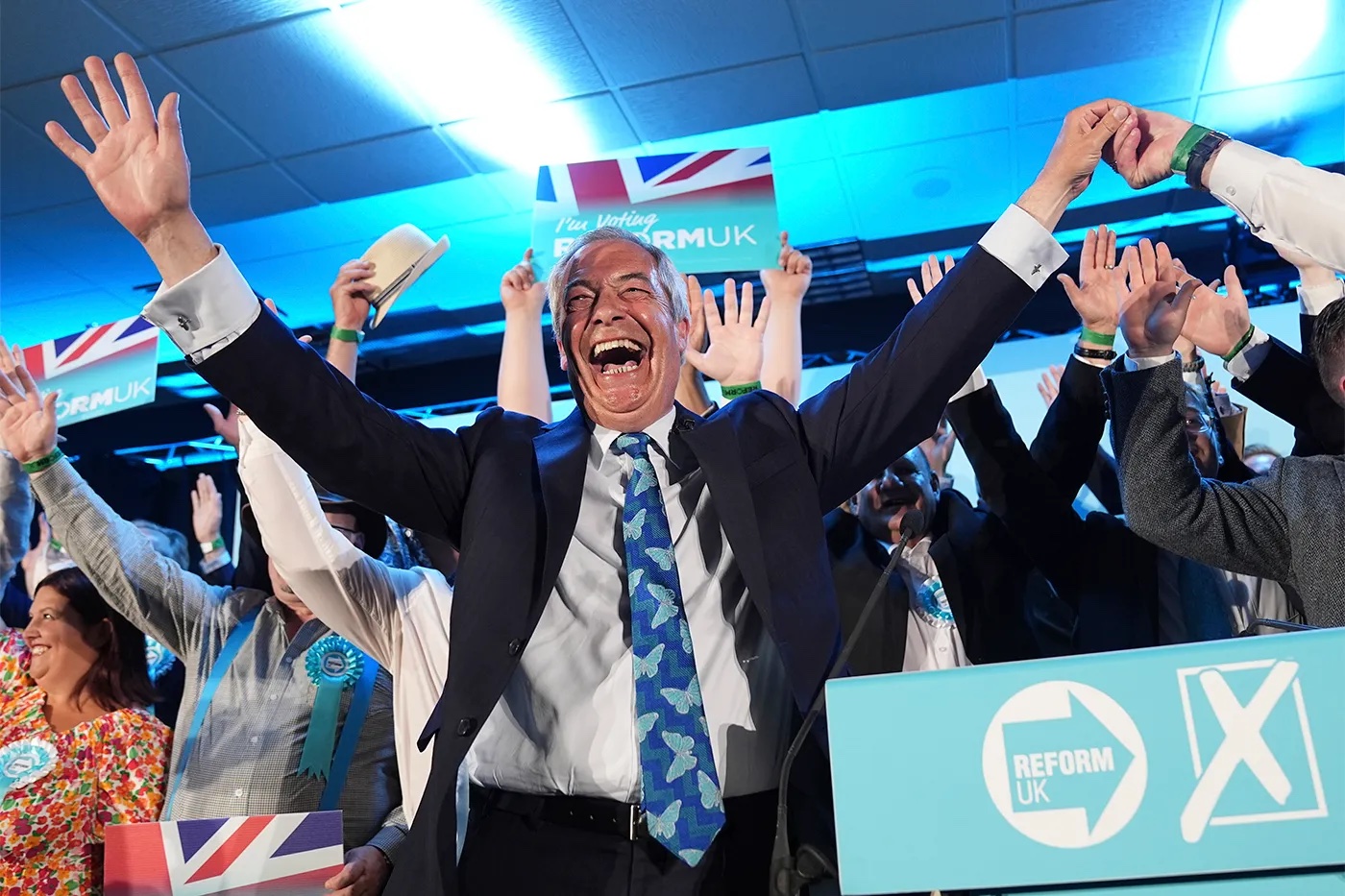
In the US this tension appears in the nostalgic power of “Make America Great Again” and the longing for postwar dominance. In the UK Brexit and the rise of Reform UK reflect a desire to restore sovereignty, control and a recognizable national identity
These movements differ in many ways yet they share a common intuition: the old pillars of stability no longer hold
Such moments are not new. They are transitions between an old story that still carries emotional weight and a new one not yet fully written
In these periods two instincts emerge. One seeks to accept change and forge a fresh understanding of the world. The other clings to restoration, attempting to force the old order back
When change outpaces meaning, restoration becomes a powerful temptation. Figures like Trump and Farage embody this impulse, expressing grief for a world that has already slipped away
History however rarely moves backward. Once conditions have fundamentally changed, restoration tends to exhaust itself
What becomes necessary is not nostalgia, but transformation: a more adaptive form of leadership and thinking
This means refusing both naïve progressivism and sentimental reaction, preserving what remains vital in the old Western story while integrating new realities
The task is not to recover a lost world, but to help societies navigate the new one, crafting stories that once again make sense of where we stand and where we might go
More posts about the topic