NATO is dead, but Europe does not know about it yet
May 4, 2026
We need to say the obvious out loud: without its power of nuclear deterrence, NATO is nothing.
One of the most exciting moments I’ve experienced was when I stood in a packed auditorium and asked the Chair of the NATO Military Committee a direct question: did he truly believe Russia would be capable of dropping a nuclear bomb on us?
The answer was diplomatic, but the question hangs in the air today more than ever.
The truth is that NATO wears many hats these days: it’s a coordination hub for different countries, a massive arms buyer, and it has even become a sort of VC.
But let’s not kid ourselves: at its core, NATO is, and always will be, just one thing. A nuclear alliance.
To understand this, we have to remember that after Hiroshima and Nagasaki, the world saw the sheer destructive power of nuclear weapons and, above all, their power to reshape history. To prevent a global arms race, the Non-Proliferation Treaty was created. Countries promised not to pursue their own nuclear weapons. As part of that deal, the US promised to provide a "nuclear umbrella" to its friends and allies. That, in essence, is what we know as NATO today.
The alliance has had its ups and downs, but it has worked because of one simple strategy: nuclear deterrence. Nuclear powers know that in a nuclear war, there are only losers. So, the game isn't about actually firing weapons; it’s about convincing the other side that you might. Deterrence relies on three essential steps: the "Three Cs." First, capability (having the weapons). Second, communication (letting your opponent know you have them; hence the military parades and tests). And finally, but most importantly, credibility: your opponent must truly believe you are capable of using those bombs against them.
However, you don’t have to be a prime minister to see that this deterrence strategy is completely broken when it comes to Europe. You don’t need to be in the intelligence services to understand that, if a European member of the alliance were attacked today, we cannot rely on the US to use nuclear weapons to defend a city in Europe. The presence of American troops on European bases—which annoys some and seems pointless to others—served a very specific purpose: they were a "tripwire." If they were attacked, the death of American soldiers gave the US the legitimacy to intervene directly. The withdrawal of these troops destroys Credibility, which is the most important pillar of the whole strategy.
We need to say the obvious out loud: to me, without its power of nuclear deterrence, NATO is nothing. It is just a waste of time and money for the budgets of member states.
This reality forces us to face major dilemmas and decisions. We have to ask ourselves: what are the real global threats, and who are they aimed at? What should we prioritize? A new alliance under the nuclear umbrella of France or the UK, or should every country pursue its own nuclear weapons?
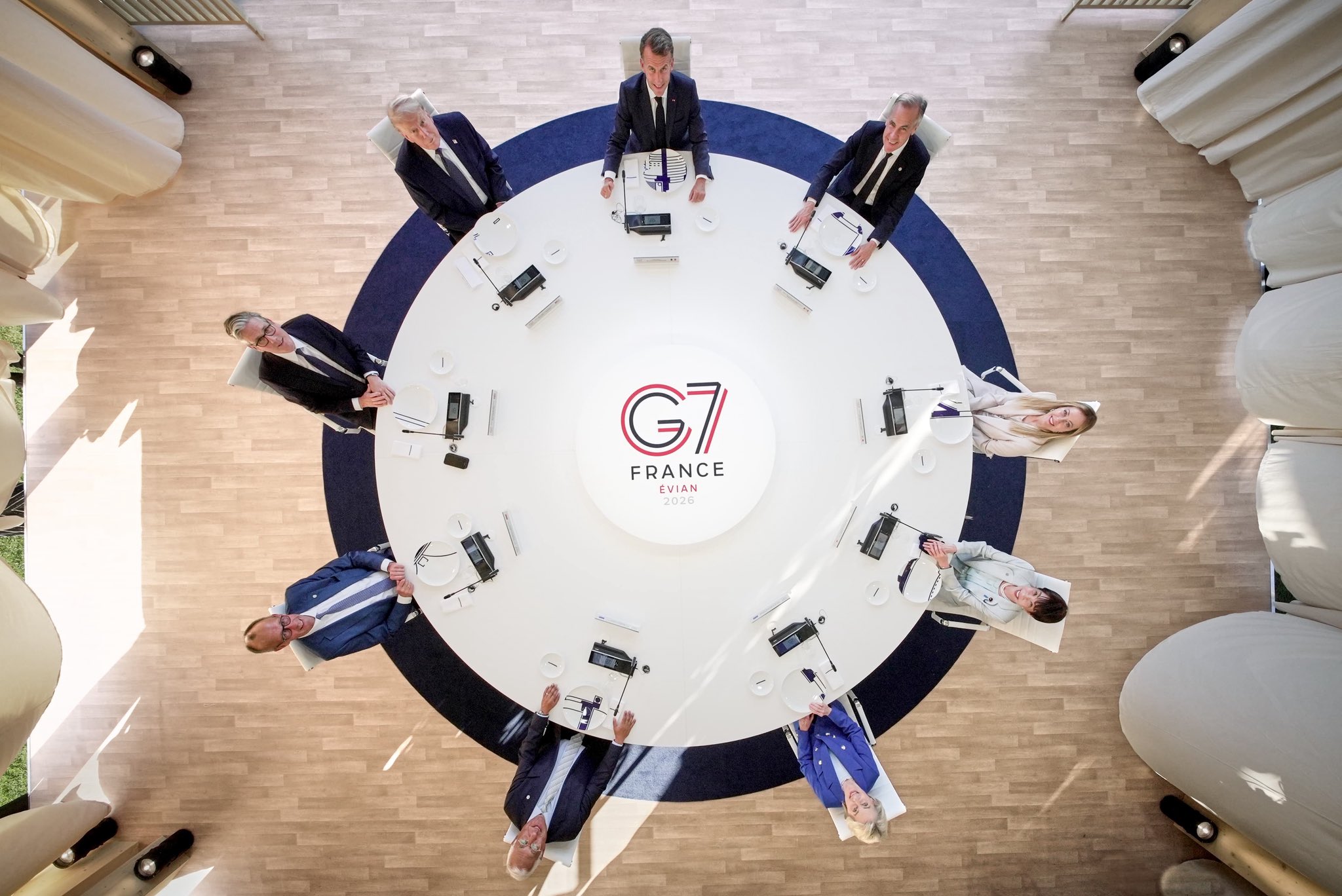
In the first case: can we honestly trust countries like France and the UK to provide that deterrence for the whole continent? Do you really think leaders like Macron or Starmer, whose political survival hangs by a thread, would plunge their countries into a global nuclear conflict to defend a city in Estonia?
And in the second case: if every country—as is already being suggested in Germany—decides to build its own nuclear arsenal, the question is: who decides which countries get to have the bomb and which don’t? Just look at Iran, which is being crushed for telling the world about its nuclear program. How can we justify to the planet that Germany can create atomic bombs, but Iran cannot?
This feels like a terrifying moment in history because it pushes us into unknown territory and uncertain scenarios. But at the same time, it gives me a lot of hope.
Today's society is not the same as it was 75 years ago when NATO was founded. We don't see the world the way they did, nor do we want the world they wanted. We have the opportunity to rebuild global alliances and redefine how we live together, whether we are similar to one another or different.
It is an incredible opportunity for new leaders with new ideas to take charge and define the future world order.
Don’t let the old-school warmongers, who only know how to beat the drums of war, dominate this debate. Get involved.
More posts about the topic